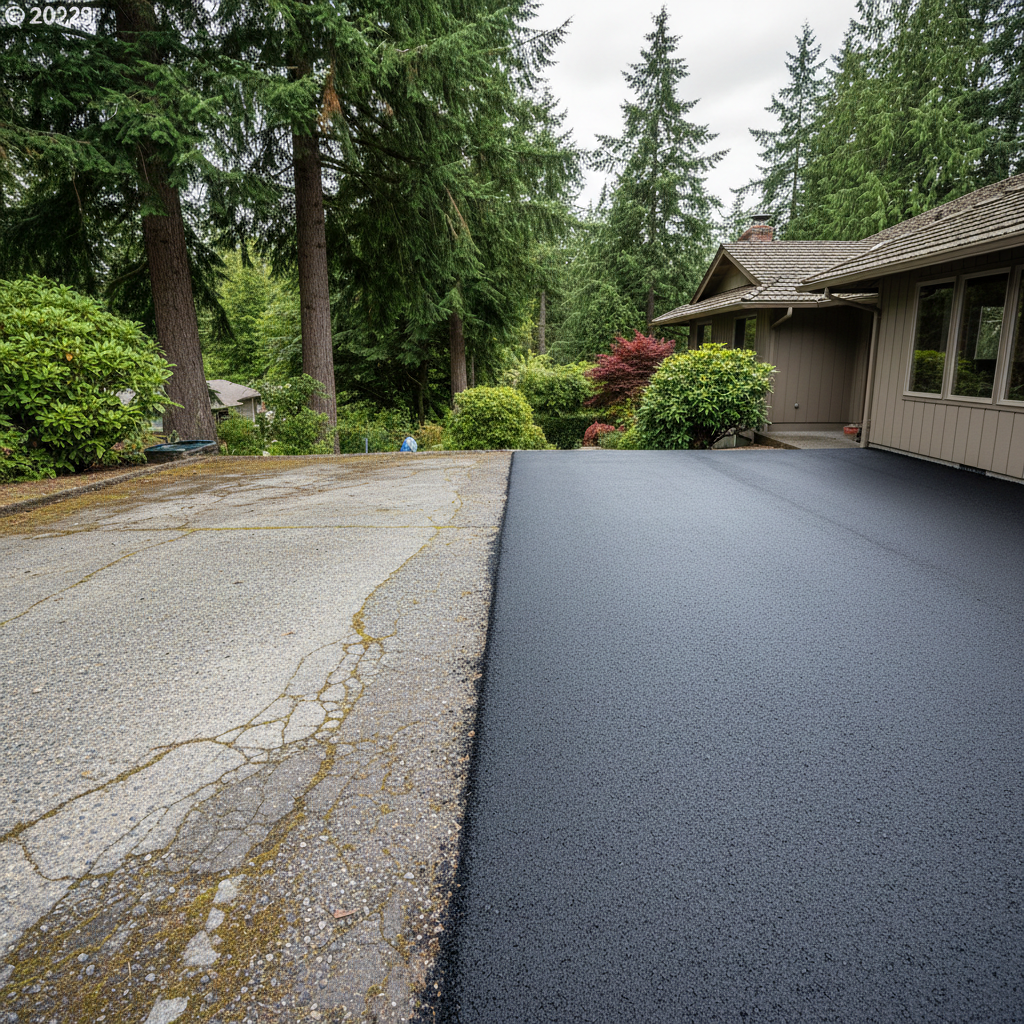
So, you're looking at paving a new parking lot, or maybe redoing an old one here in Redmond. You've got two main players: asphalt and concrete. It's not a simple choice, and I've seen plenty of folks make the wrong call because they didn't have all the facts. Let's dig into what you really need to know.
Initial Cost: Where Does Your Wallet Stand?
Right off the bat, asphalt usually wins on the upfront cost. It's generally cheaper to install per square foot than concrete. Think of it this way: asphalt is a petroleum-based product, and while oil prices fluctuate, the materials and labor for laying it down are often less intensive than concrete work. If your budget is tight and you need a functional surface quickly, asphalt often looks like the clear winner.
However, don't just stop there. That initial saving can sometimes be a bit misleading if you don't factor in the long game. We'll get to that.
Durability and Lifespan: Built to Last?
This is where the conversation gets interesting, especially with our Redmond weather. Concrete is tough. I mean, really tough. It can handle heavy loads, doesn't soften in the summer heat, and generally has a longer lifespan – we're talking 20-30 years, sometimes more, if it's installed right and maintained. It resists chemicals better too, which is a plus if you're worried about oil spills or other automotive fluids.
Asphalt, on the other hand, is more flexible. This can be a good thing, as it's less prone to cracking from freeze-thaw cycles or minor ground movement. But it's also more susceptible to wear from heavy traffic, especially trucks. And in our climate, with plenty of rain and those occasional hot spells, asphalt can degrade faster without proper care. You're generally looking at 15-20 years for asphalt, but that's with regular maintenance.
Maintenance Requirements: What's the Real Commitment?
Here's the big one. Concrete is lower maintenance on a day-to-day basis. You'll want to seal it periodically, maybe every few years, to protect against moisture and stains. But beyond that, it's mostly about keeping it clean. If cracks do appear, they're often more complex to repair and can be pricier.
Asphalt needs more love. It's not a set-it-and-forget-it kind of surface. You'll need to sealcoat it every 2-5 years to protect it from UV rays, water penetration, and oxidation. This helps maintain its flexibility and prevents it from becoming brittle and cracking. You'll also likely need to fill cracks and patch potholes more frequently. The good news is that asphalt repairs, like patching or even overlays, are generally simpler and more cost-effective than concrete repairs.
Appearance and Aesthetics: What Look Are You Going For?
Concrete offers a clean, bright, and often more formal look. You can stamp it, color it, or even expose aggregates for a decorative finish. It reflects light, which can be a benefit for visibility in parking lots, especially at night.
Asphalt has that classic, dark, smooth finish. It absorbs heat, which can be a downside in summer, but it also helps melt snow and ice faster in winter. For a purely functional, no-frills parking area, asphalt does the job. It's less about decorative flair and more about practical utility.
Redmond Conditions: My Recommendation
Alright, so what's the verdict for us here in Redmond? We get a lot of rain, some freezing temperatures, and plenty of trees that drop leaves and needles, which can hold moisture. We also have a lot of clay soil in areas like Bear Creek, which can shift a bit.
For a commercial parking lot with heavy traffic, especially if you're looking for the longest possible lifespan and minimal routine fuss, concrete is often the better long-term investment. Its durability against heavy loads and resistance to chemical spills can save you headaches down the road, even with the higher initial cost.
However, for many residential applications, or smaller commercial lots where budget is a primary concern and you're willing to commit to regular sealcoating, asphalt is a perfectly viable and often more economical choice. It's also easier to repair if you get a utility cut or a localized issue.
My honest recommendation? For a new parking lot in Redmond, if your budget allows, I'd lean towards concrete for its sheer longevity and lower routine maintenance. You'll pay more upfront, but you'll likely deal with fewer issues over the next couple of decades. If concrete isn't in the cards, asphalt is still a great option, but be prepared to invest in a regular sealcoating schedule to protect your investment. Aim High Paving Solutions can help you with either, ensuring you get a solid foundation that lasts.