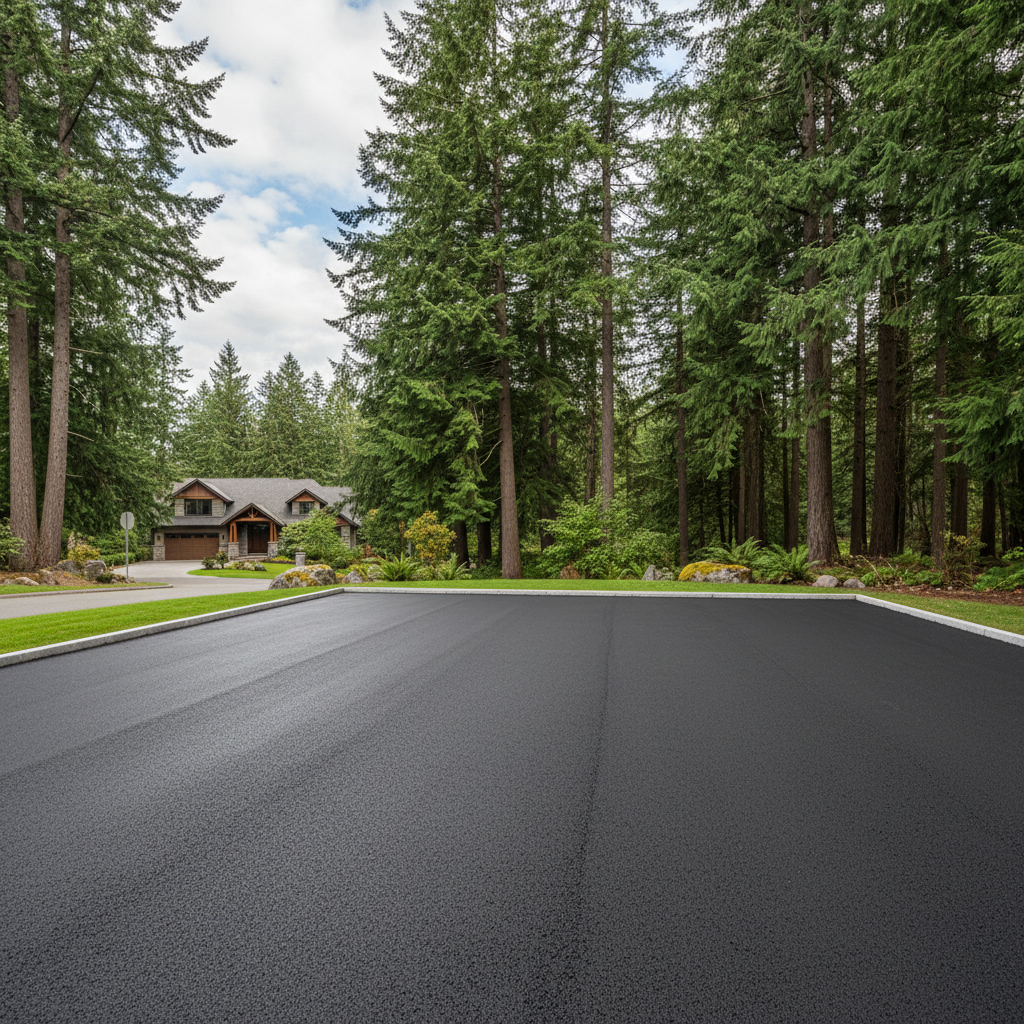
Your Redmond Parking Lot: An Investment That Needs Care
Let's talk about your parking lot for a minute. It's way more than just a slab of asphalt, you know? It's often the very first thing people see when they visit your business, and frankly, it's a pretty big investment. You wouldn't buy a new car and then just never change the oil, would you? Same idea applies to your paved surfaces. Especially here in Redmond, where we get a good amount of rain and those pesky freeze-thaw cycles, keeping up with maintenance isn't just a nice idea—it's absolutely essential if you want to get your money's worth out of your pavement.
I've seen too many businesses let their lots go, only to end up needing a much more expensive full replacement later on. Don't let that happen to you. With just a little bit of planning and regular attention, you can really make your parking lot last a lot longer.
Regular Maintenance: Your Best Defense
Think of this as preventative medicine for your parking lot. A few small, consistent efforts now will save you massive headaches and costs down the road.
Keep it Clean: This sounds super simple, but it's actually critical. Stuff like leaves, dirt, and gravel can trap moisture against the asphalt, which weakens it over time. Plus, sharp objects can cause damage. Sweeping regularly, especially after a windy day or heavy rain, makes a real difference. If you're near a construction site or have lots of trees, this becomes even more important.
Manage Drainage: Water is asphalt's arch-nemesis. Seriously. Make sure your catch basins, drains, and gutters are clear and working properly. Standing water, even just shallow puddles, will seep into cracks and soften the sub-base. When that happens, you're looking at potholes and alligator cracking faster than you can say "Pacific Northwest downpour." If you notice spots where water always seems to sit, you might have a drainage problem that needs a professional's eye.
Sealcoating (When It Makes Sense): This is like sunscreen for your asphalt. It helps protect against UV rays, keeps water from getting in, and fights off oxidation. It also gives your lot that fresh, dark look again. Usually, you'd want to think about sealcoating every 2-3 years, depending on how much traffic it gets and how much wear it sees. It's a pretty cost-effective way to protect that top layer and stop small cracks from turning into big problems.
Clean Up Spills Right Away: Oil, gas, and other chemicals can soften and even dissolve asphalt. Have a plan for cleaning up spills quickly to keep damage to a minimum.
Warning Signs: Don't Ignore These Red Flags
Your parking lot will definitely tell you when it's hurting, if you just know what to look for. Catching these things early can save you a ton of money and prevent safety hazards, too.
Cracks: We're not talking about a tiny hairline crack here or there; those are pretty normal. But if you start seeing cracks that are getting wider, connecting up, or forming patterns that look like alligator skin, that's a real problem. Alligator cracking (those interconnected cracks that look like scales) usually means the base layer is failing, often because water got in. Longitudinal cracks (running parallel to the pavement) or transverse cracks (running across it) can happen because of stress, temperature changes, or other issues underneath. Don't just let them sit. Water will sneak in, freeze, expand, and turn those small cracks into huge potholes before you know it.
Potholes: These are pretty obvious, aren't they? They're not just ugly; they're a tripping hazard for people and can really damage vehicles. Potholes form when water seeps into cracks, freezes, expands, and then traffic just breaks away the weakened asphalt. Get them patched fast before they grow into craters.
Fading & Discoloration: If your asphalt looks gray instead of that nice deep black, it's oxidizing. This means the binders are breaking down, making the pavement brittle and much more likely to crack. Often, this is a sign that sealcoating is way overdue.
Standing Water or Poor Drainage: Again, water is the enemy. If you see puddles that don't drain within a reasonable time after it rains, you've got a problem. This could be because the ground has settled, it wasn't graded right, or the drains are clogged.
Raveling: This is when the aggregate (the small stones) in your asphalt starts coming loose, giving the surface a rough, grainy feel. It's a sign that the surface is deteriorating and can lead to more serious stuff if you don't deal with it.
Depressions or Rutting: If you notice spots where the pavement has sunk or developed channels (ruts), especially in busy areas or near truck loading zones, it means the sub-base is weak or heavy loads are just too much for the pavement. This is a serious structural issue, no doubt about it.
When to Call a Professional: Don't DIY Everything
While you can certainly handle basic cleaning and keeping an eye on things, some jobs are just better left to the pros. You want someone who really gets the unique challenges of our local climate—like the constant moisture and the occasional snow and ice we get, especially in places like the Bear Creek watershed where the soil can stay saturated for ages.
Significant Cracking or Alligatoring: If cracks are all over the place or you see that alligator cracking pattern, you absolutely need an assessment. We can figure out if it's just a surface thing that crack filling can fix, or if it points to a deeper structural problem that needs patching or an overlay.
Potholes That Keep Coming Back: If you're patching potholes yourself and they're just reappearing quickly, that's a pretty clear sign that the real issue underneath isn't being fixed. A professional will properly dig out the area, repair the base, and then patch it correctly.
Drainage Problems: If water is consistently pooling, you need a professional to check out the grading, adjust slopes, or repair/install drainage systems. This is definitely not a DIY kind of job.
Fading or Raveling: These are signs your pavement needs some protection. A professional can recommend the best sealcoating or surface treatment for your specific situation.
Any Structural Issues: If you spot significant depressions, rutting, or areas where the pavement is clearly failing, get an expert opinion. Ignoring these can easily lead to expensive full replacements.
Look, your parking lot works hard for you every single day. Giving it a little attention really does go a long way. If you're seeing any of these warning signs, or if you just want an honest assessment of your parking lot's condition, give us a call at Aim High Paving Solutions. We're right here in Redmond, and we know exactly what it takes to keep your pavement in top shape for our local conditions.