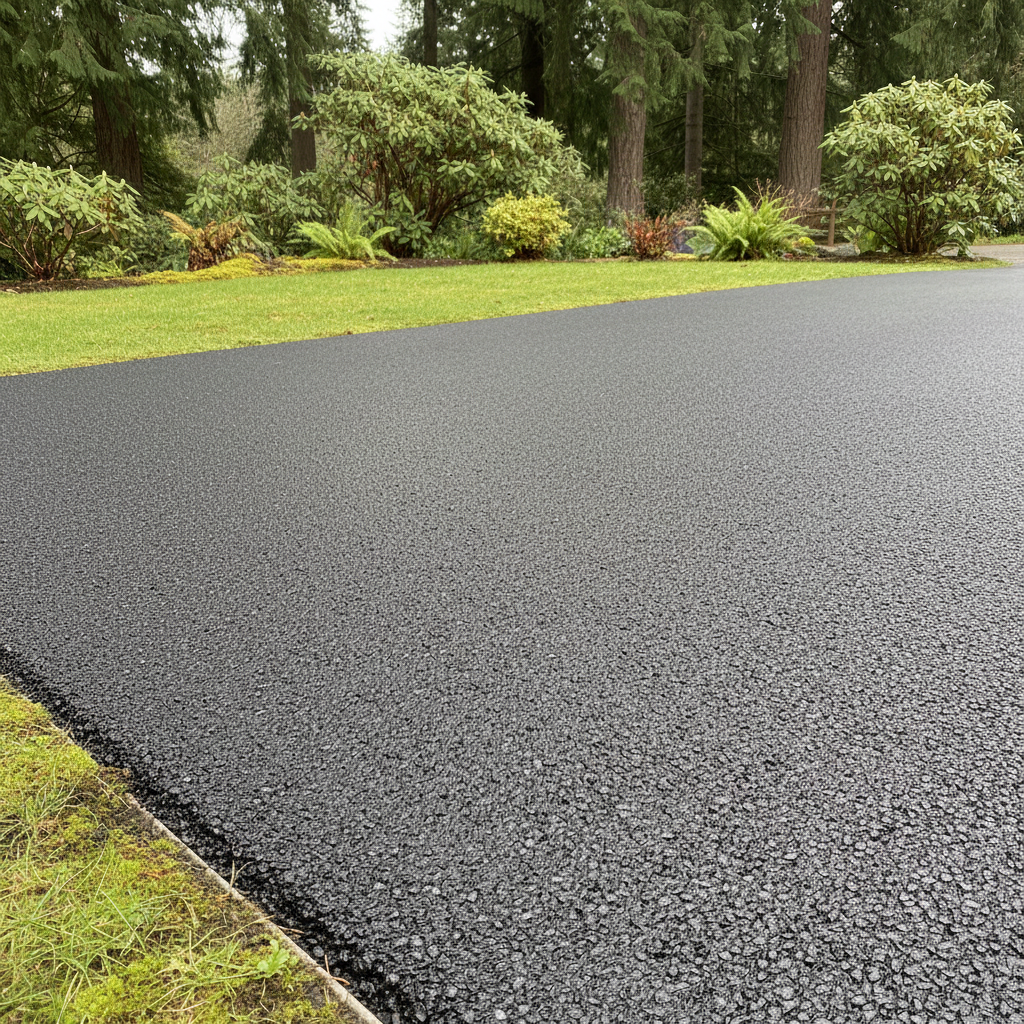
Alright, let's talk about your asphalt driveway. It's a big part of your home's curb appeal and functionality, right? And like anything else, it needs some attention to stay in good shape. A lot of homeowners in Redmond wonder what they can do themselves and when they really need to call someone like us. I get it. You want to save a buck where you can, but you also don't want to mess things up.
Before the Project: Planning and Prep
Before you even think about doing anything to your driveway, you need to assess its condition. I'm talking about a good, hard look. Are small cracks forming? Is the surface looking faded? Or are we talking about potholes big enough to swallow a small car? Your assessment dictates your next steps.
For minor issues, like small cracks (we're talking hairline cracks, nothing wider than a quarter-inch), you can definitely handle some prep yourself. Sweep the driveway thoroughly. Use a stiff broom or even a leaf blower to get rid of all the dirt, leaves, and debris. If there's any oil or grease, you'll need to clean that up with a good degreaser and a stiff brush. You can't seal or repair over grime; it just won't stick.
What you probably shouldn't do yourself before a major project is try to fix significant drainage issues or level out major depressions. That often involves understanding the sub-base and grading, which is a whole different ballgame. Around here, especially with our wet Redmond winters, proper drainage is absolutely critical. If water is pooling consistently, that's a red flag that needs a pro's eye, not just a DIY patch job.
During the Project: What You Can Tackle
So, you've assessed, you've cleaned. What's next? For very small cracks, say up to a quarter-inch wide, you can buy asphalt crack filler at any hardware store. It usually comes in a caulk tube or a pourable jug. Follow the directions on the product; they're pretty straightforward. Clean the crack, apply the filler, and let it cure. This is a great DIY task that can extend the life of your driveway by preventing water from getting under the asphalt and causing bigger problems.
Another thing you might consider is sealcoating, but here's where I'd pump the brakes a bit. Applying a sealcoat isn't just about pouring it on. It requires specific weather conditions – not too hot, not too cold, no rain in the forecast for at least 24-48 hours. And you need to apply it evenly, usually in two thin coats. If you've got a small, simple driveway, and you're meticulous, you *can* do it. But for larger driveways, or if you're not confident in getting an even, professional finish, you're better off calling us. Uneven sealcoat looks bad, wears unevenly, and can actually make your driveway look worse than before.
What you absolutely should NOT tackle yourself during the project is anything involving heavy machinery, excavation, or significant asphalt repair like patching potholes larger than a dinner plate. These jobs require specialized equipment, materials, and expertise to ensure the repair lasts and integrates properly with the existing pavement. Trying to do this yourself often leads to temporary fixes that fail quickly, costing you more in the long run.
After the Project: Maintenance and When to Call Back
Once your driveway project is done, whether you did it yourself or hired Aim High Paving Solutions, ongoing maintenance is key. And this is where you can really shine as a homeowner.
- Keep it clean: Regularly sweep off dirt, leaves, and other debris. This prevents organic matter from breaking down on the surface and causing issues.
- Deal with spills immediately: Oil, gas, and other chemicals can soften and degrade asphalt. Clean them up as soon as they happen.
- Watch for new cracks: Stay vigilant. Small cracks will appear over time. Address them with crack filler as soon as you see them. It's much easier and cheaper to fill a small crack than to repair a pothole.
- Avoid heavy loads: Try not to park heavy RVs or construction equipment on your residential driveway for extended periods. It's not designed for that kind of weight.
When should you call a pro again? If you see extensive cracking (alligator cracking), significant potholes, large areas of crumbling asphalt, or major depressions that collect water, it's time to pick up the phone. These issues usually indicate a problem with the base layer or widespread fatigue of the asphalt, and they're beyond what a DIY approach can fix effectively. You'll need an assessment from someone who understands the underlying structure and can recommend an overlay or a full replacement.
Look, your driveway is an investment. Doing the small, routine maintenance yourself is smart. But knowing when to bring in the experts for the bigger jobs? That's even smarter. It ensures your asphalt lasts, looks good, and keeps doing its job for years to come.